2026-11-19 · Sean Thompson
Why Attic Ventilation Matters For Roofs In Washington County
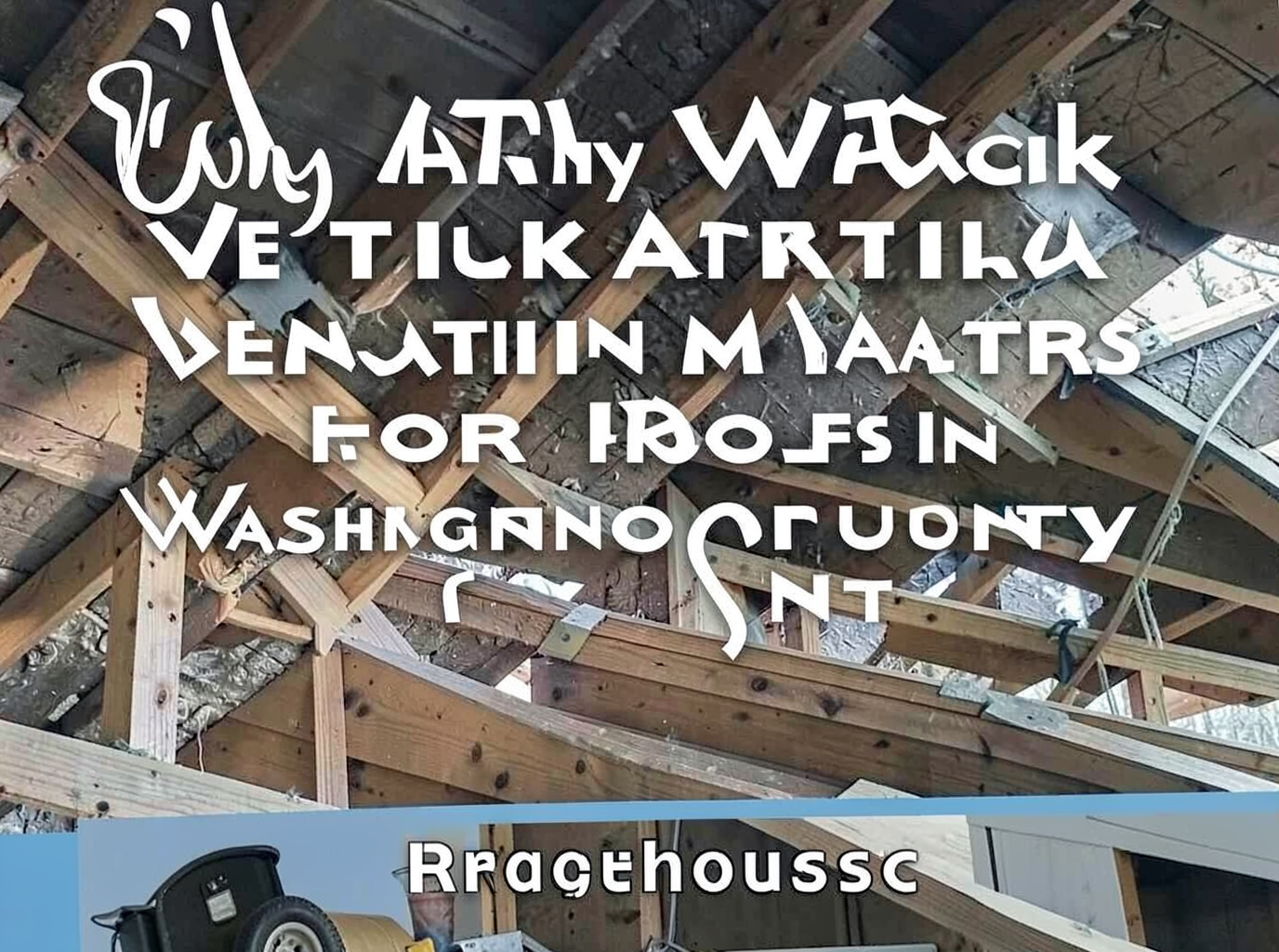
Proper attic ventilation extends roof life by 10-15 years in Washington County by keeping attic temperatures within 10-20 degrees of outside air and reducing moisture that leads to ice dams during cold winters. In Hagerstown's humid continental climate, summer heat builds up under the roof deck while winter freezes trap condensation when airflow is blocked, both of which degrade shingles and sheathing faster than weather alone would suggest.
Temperature Control in Washington County Summers
Hagerstown summers push attic spaces above 130 degrees when ventilation is inadequate. This heat radiates downward through ceilings and accelerates asphalt shingle aging by drying out the oils that keep granules bonded. Older homes in Downtown Hagerstown and the North End often lack modern ridge vents or soffit intake because they were built before energy codes emphasized airflow. Without 1 square foot of net free ventilation area per 150 square feet of attic floor, trapped heat softens shingles and causes premature cracking along the South End's south-facing slopes. Balanced systems using both intake at the eaves and exhaust at the ridge keep the deck cooler, which also reduces cooling loads inside the house during July and August peaks.
Moisture and Ice Dam Prevention in Local Winters
Washington County's cold winters bring repeated freeze-thaw cycles that turn small moisture problems into ice dams along the eaves. Warm air rising from living spaces melts snow on the lower roof edge while the upper roof stays frozen, creating a dam that backs water under shingles. Homes near Hagerstown City Park and in Fountainhead see this pattern every few winters because many attics were insulated without corresponding ventilation upgrades. Ridge vents combined with continuous soffit intake allow the attic to stay closer to outdoor temperatures, eliminating the warm air pocket that drives melting. This approach also dries out any condensation that forms when indoor humidity meets cold roof sheathing, protecting both the roof structure and ceiling drywall below.
Effects on Roofing Materials and Long-Term Costs
Inadequate ventilation shortens the service life of both asphalt and metal roofs by promoting blistering, granule loss, and fastener corrosion. A roof that should last 25-30 years in Washington County may need roof repair or early roof replacement after only 15-18 years when attic heat and moisture remain unchecked. The same conditions that affect fasteners in mountain wind also weaken underlayment and flashing when ventilation fails to remove daily humidity. Homeowners reviewing what affects roofing costs for homes in Washington County Maryland often overlook that correcting ventilation during a re-roof can add years to the new system and lower future repair frequency.
Assessing and Upgrading Ventilation on Local Properties
A visual check from inside the attic reveals blocked soffits, missing ridge vents, or insulation covering intake paths in many Hagerstown houses. Roof inspection professionals measure net free area and look for staining on sheathing that indicates past moisture issues. In neighborhoods like the South End, where prevailing winds interact with nearby terrain, adding turbine or powered vents may be necessary when static ridge vents alone cannot overcome wind patterns. How wind from the mountains affects roof fasteners in Hagerstown shows that proper airflow also reduces pressure differentials that can pull fasteners loose over time. Upgrades are most effective when completed before the next heating season so winter performance can be evaluated immediately.
Closing Considerations for Washington County Homeowners
Attic ventilation is not an optional upgrade but a core requirement for roof performance in this climate. Homes in Chambersburg and Frederick share similar conditions, yet local building practices in Washington County still vary widely by neighborhood age and construction type. Regular checks after heavy snow or during summer heat waves catch problems before they reach the living space. When ventilation deficiencies appear alongside other roof concerns, addressing airflow first often prevents repeated repairs and keeps the entire system functioning as designed through seasonal extremes.